


The Quiet Risk No One Talks About: Regulators Can Freeze Everything
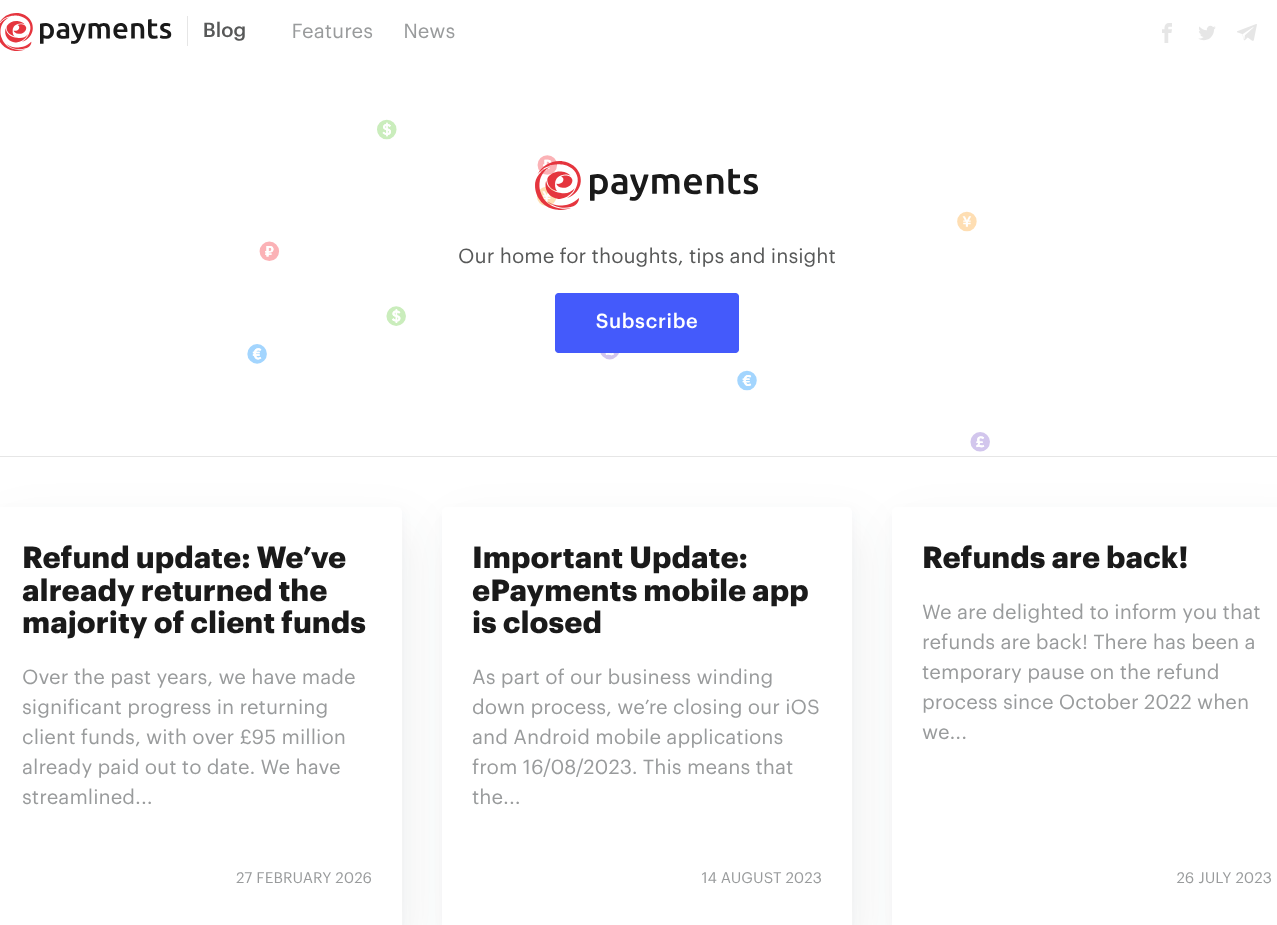
Everyone has heard how long it has taken MtGox and FTX to return funds to their users after going bankrupt. But there is another, somewhat similar story that deserves attention - the story of the fintech company ePayments.
ePayments was founded in 2011 and operated steadily as an electronic money issuer under an FCA (UK) license. Later, it integrated cryptocurrencies (BTC, LTC, ETH) and exchange services into its operations, and the business took off. Its peak came in 2017-2018, when ePayments had around one million customers and an annual turnover of about £1 billion.
Such rapid growth attracted the regulator’s attention. The FCA requested a detailed description of ePayments’ AML procedures. The company was required to explain, in full detail, all of its internal rules: which client actions were considered suspicious, and what measures were taken to prevent money laundering.
ePayments provided the requested information, but the regulator was not satisfied with the depth of its compliance framework. The FCA ordered the company to fix the issues - and at the same time suspended all of its operations. This meant that ePayments could not return customer funds, not because the funds were missing, but because the regulator did not allow it until a compliant AML policy was in place.
For about a year, ePayments tried to develop an AML system that would satisfy the regulator. During this time, the company continued to incur operating costs while generating no revenue. Eventually, it had to initiate a wind-down procedure, and only then was it able to start returning funds to customers. The first repayments began in 2021, and some customers still have not been fully reimbursed even now, six years after the suspension.
So this was neither a hack, like MtGox, nor a misuse of customer funds, like FTX. Here, withdrawals were delayed for years simply because a financial regulator effectively blocked them with a single decision.
If you deal with cryptocurrency, avoid companies that hold your funds. What happened to ePayments can happen to any similar business.
For exchanging cryptocurrencies, use rabbit.io.