


China Is Only Now Learning to Trust the Blockchain
An article published in the official newspaper of China's Supreme People's Procuratorate signals a shift in how Chinese prosecutors are approaching the crypto industry.
Most of the piece advocates an even more draconian AML stance than the one already common today. The author argues that the use of crypto mixers, privacy coins, or large transactions with no clear economic rationale should be treated as indicators of an intent to launder money. She goes even further, suggesting that in such cases, the burden should fall on the suspect to prove their innocence.
Unfortunately, none of this is particularly surprising. Many governments, not just China, are moving in the same direction.
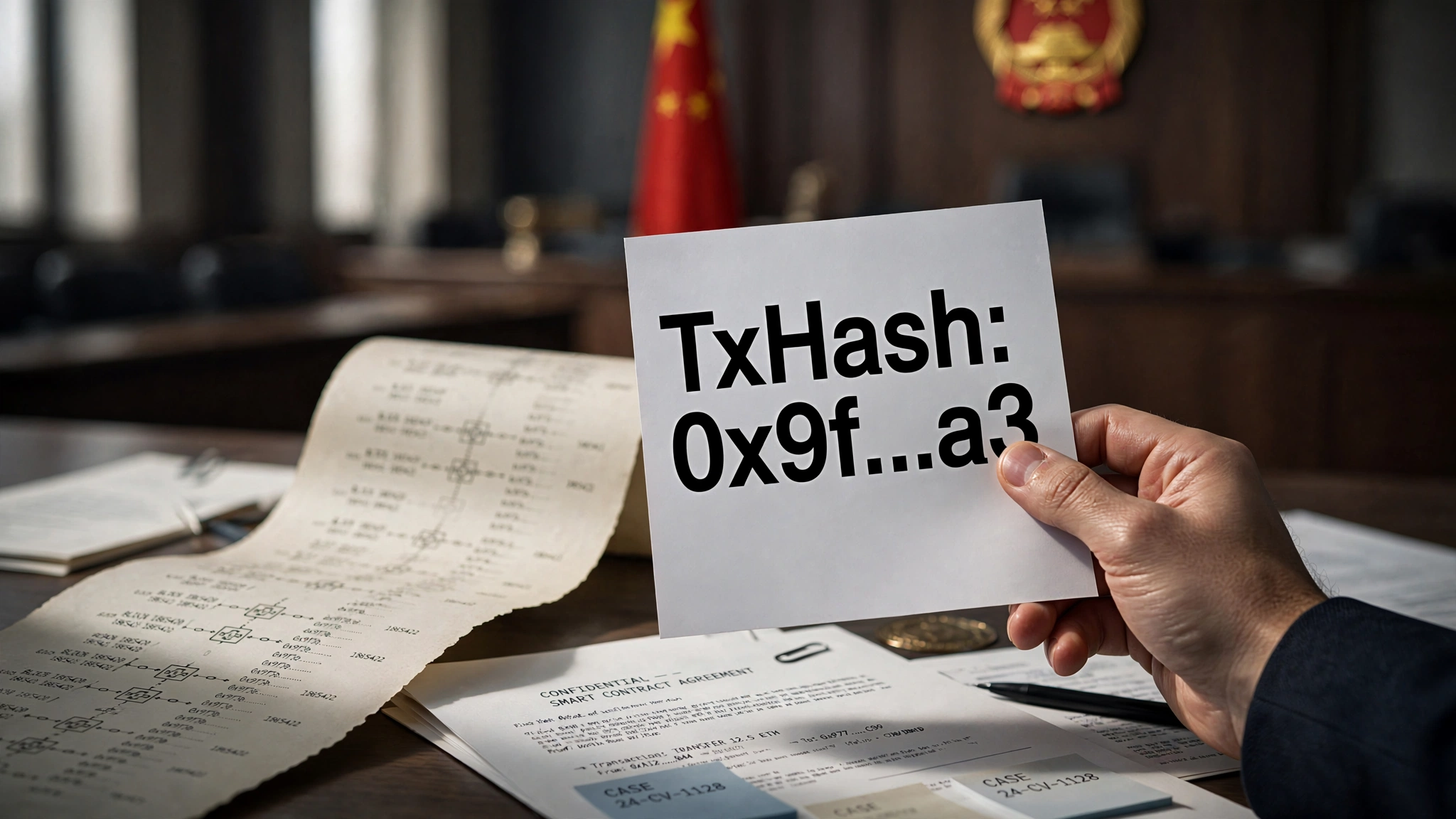
What did catch my attention, though, was another proposal in the article: treating blockchain data as fully admissible evidence in court.
That genuinely surprised me. Is this really still an open question?
If you create a swap on rabbit.io, send us cryptocurrency, and the exchange is delayed for some reason, all you need to prove that you made the payment is the transaction hash. If that transaction is recorded on the blockchain, no additional evidence is necessary.
The global crypto community has long believed that there is nothing more reliable than a blockchain record. It cannot be deleted, altered, or forged.
And yet the justice system of the world's most populous country is only now beginning to formally recognize this?
It seems we are still at the very beginning of government adoption of cryptocurrencies - a stage where governments are still debating the most basic principles that the crypto community has taken for granted for years.