


USDT Freezes in the Billions, But Freeze Resistance Gets Zero Demand
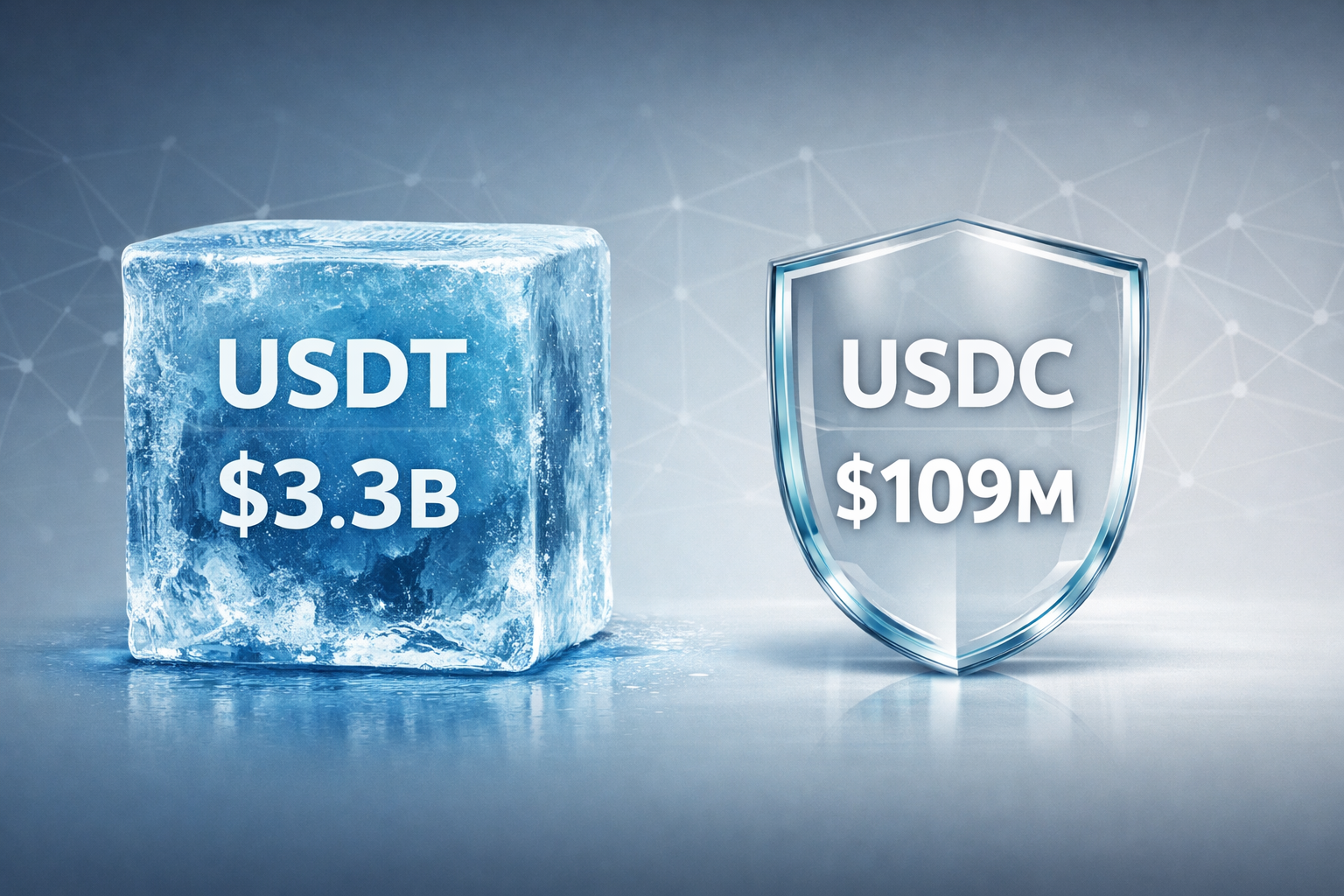
AMLbot published a data-backed report comparing Tether and Circle stablecoin freezes between 2023 and 2025. Over that period, Tether froze roughly $3.3 billion worth of USDT - while Circle froze about 30 times less, around $109 million.
That part didn’t surprise me. I’ve written about USDT freezes many times before.
But another detail caught my attention. According to AMLbot, Circle only froze addresses when required by courts or regulators. The report provides no equivalent confirmation for Tether.
To be fair, Tether has openly stated in the past that it may take a proactive approach when freezing assets.
What I find more curious is something else entirely: despite freezing billions of dollars, none of Tether’s major clients - the same ones deploying billions to mint new USDT every year - have requested issuance on newer Bitcoin-based asset protocols like Taproot Assets or RGB, both supported by Tether since earlier this year.
These protocols make asset freezes significantly harder. Yet, judging by the data, protection against freezes doesn’t seem to be in demand. Tether’s own transparency page confirms that no USDT has been issued on Taproot Assets or RGB in the past several months.
Similarly, Liquid Network - another blockchain where stablecoins cannot be easily frozen - hasn’t gained much traction among Tether holders either.
That said, if asset-freeze resistance matters to you, here’s a reminder: USDT on Liquid is fully supported for swaps on rabbit.io.