


What Happens When the ETH Runs Out?
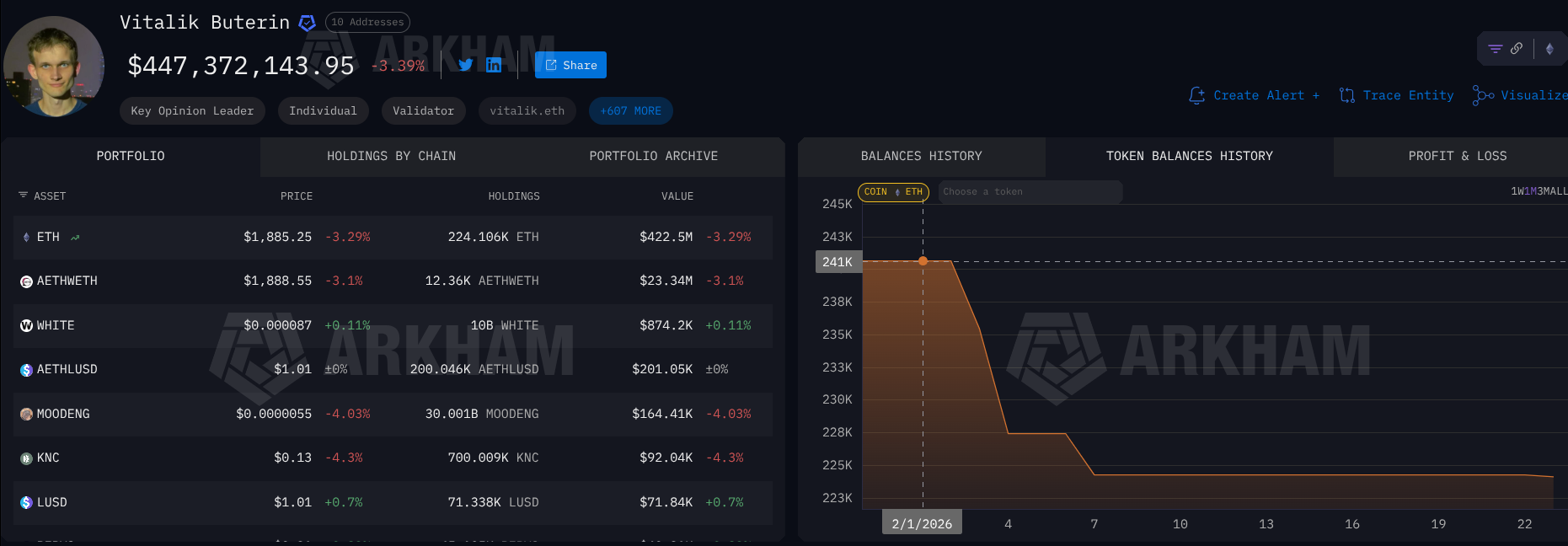
News that Vitalik Buterin has been actively selling ETH barely causes a ripple anymore. So what if his wallet has shrunk by another 17,000 ETH this month? Most people have grown used to it and assume it’s just how things are supposed to work. After all, he’s not only spending the proceeds on himself - he’s also funding Ethereum’s development.
But I have two thoughts about this.
First, I don’t recall Bitcoin ever needing to sell its creator’s coins to fund development. In fact, Bitcoin hasn’t needed to sell anyone’s coins. Developers often work voluntarily - many still do - and they’re happy to accept donations or grants in bitcoin itself. For them, that can be even more valuable than any other asset.
Why is it different with Ethereum? Why does support for the network require selling ETH?
Second, I’m curious what happens when Vitalik’s ETH - and the Ethereum Foundation’s reserves - eventually run out. Does development slow down? Does it stop altogether?
In that sense, Bitcoin appears more resilient.
Then again, the Ethereum community’s calm reaction to all of this suggests confidence in a stable future. Just imagine what would happen in the Bitcoin community if news broke that even a single coin from Satoshi Nakamoto’s stash had been sold.