


If Even AI Uses Stablecoins, What’s Left for Cryptocurrencies?
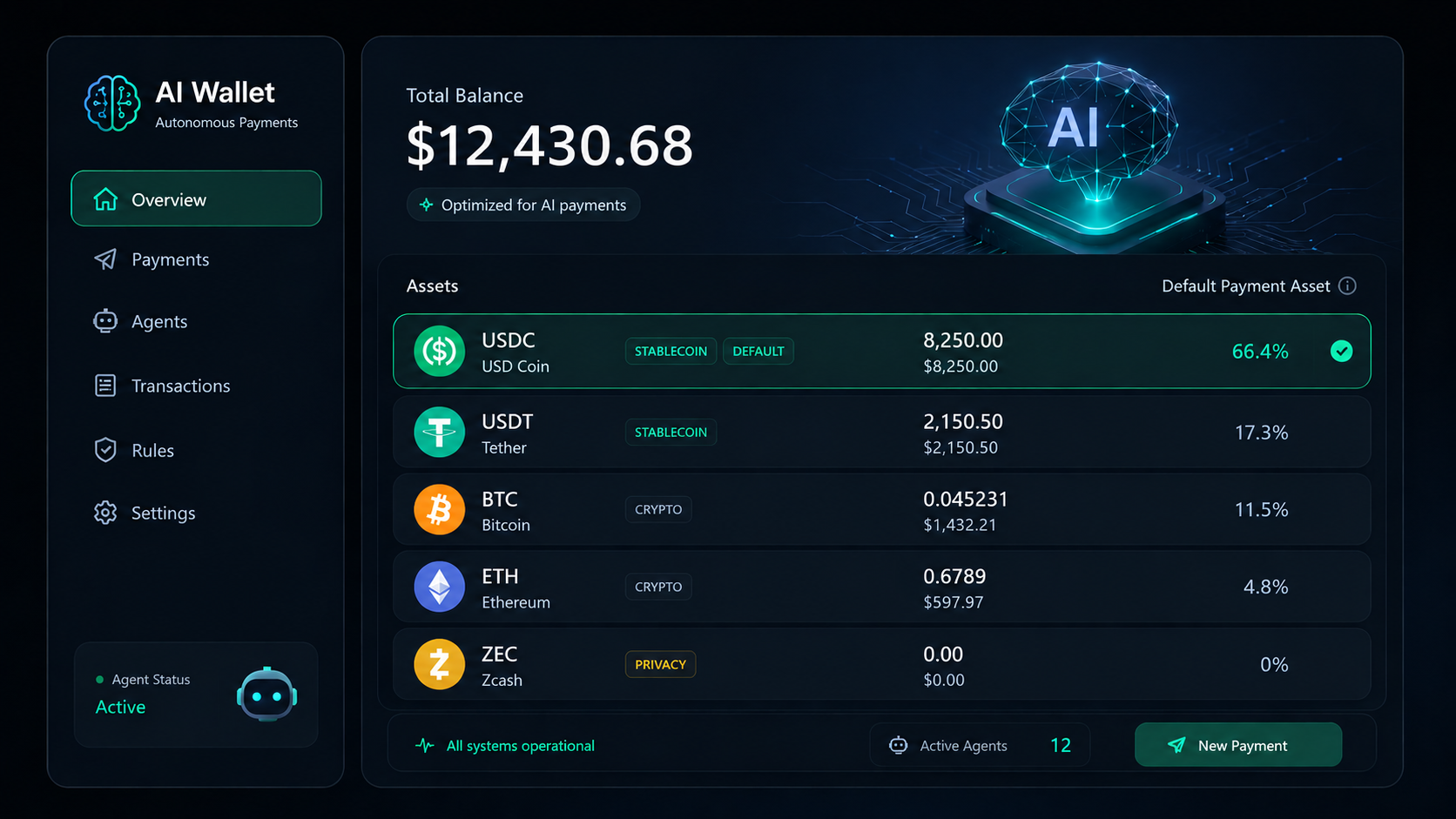
Yesterday, Solana Foundation introduced Pay.sh - a payments solution for AI agents built in collaboration with Google Cloud. What stood out to me most is that even for AI agents, the payment asset is expected to be stablecoins.
When it comes to human payments, that makes perfect sense. I recently wrote that people are simply more comfortable thinking in familiar units: pricing things, earning income, and tracking balances in traditional currencies.
But I had assumed that autonomous machines wouldn’t need their payment asset tied to any human currency at all.
Remember IOTA, the cryptocurrency designed specifically for frictionless micropayments between connected devices? Or Bitcoin’s Lightning Network, where one of the core ideas was paying tiny amounts for small chunks of data - like per second of an audio stream? That’s essentially the same use case Pay.sh is targeting.
And yet, even here, it seems that traditional cryptocurrencies not linked to fiat systems are being pushed aside as a payment medium.
So does that mean they have no future in this role?
I don’t think so. There are still situations where paying in tokenized fiat (stablecoins) is not the preferred option - specifically when privacy matters. In those cases, people tend to request and use privacy-focused cryptocurrencies instead. Price volatility becomes secondary. (Maybe that’s why ZEC jumped 75% in just a week.)
Cryptocurrencies that can offer real privacy will continue to have demand as a payment method.
And if you need to exchange them, you can always find the best rates on rabbit.io.
By the way, we support stablecoins too. No registration needed - just pick the pair, enter your receiving address, and swap.