


Small Drains, Big Questions
ZachXBT's message about a widespread attack on hundreds of wallets - where small amounts are being drained from each one - raises serious concerns about the reliability of crypto as a way to store personal savings.
A lot of crypto users, myself included, choose digital assets believing that crypto can't be stolen or seized by anyone. Yet on ZachXBT's channel, we see reports of new hacks almost every week. So is crypto really less secure than we thought?
Here's what actually matters:
First, has anyone ever promoted Ethereum, BNB Chain, or Mantle as safe places for long-term savings storage? I don't remember that narrative at all. These ecosystems are usually shilled for completely different reasons - smart contracts, transaction speed, dApps, and so on - but not for the impossibility of theft. The idea of secure savings is almost always tied to Bitcoin, and sometimes - though much less often - to similar assets.
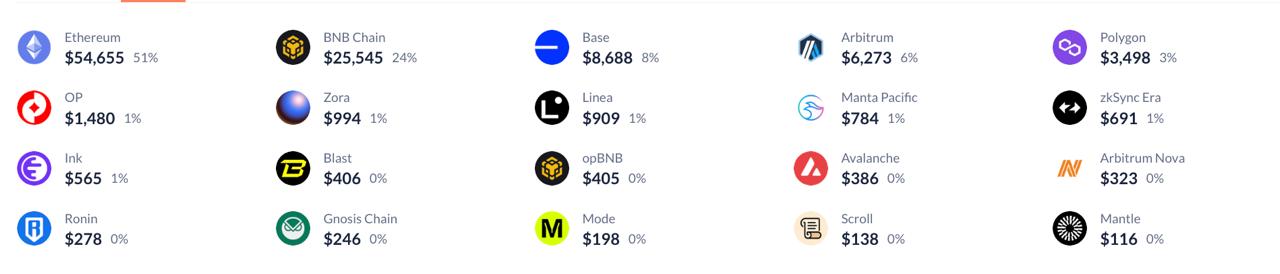
Second, today's attack is happening across EVM networks. The nature of these chains is important: wallets there are not designed primarily as vaults for storing wealth - they are more like digital authorization keys used to enter decentralized applications. And I keep repeating this: using a funded wallet as your login method every time you connect to something new is like carrying your entire life savings in your pocket which you use for opening random doors. The problem isn't crypto itself - it's how wallets are commonly being used.
And this is exactly why, on Rabbit.io, things work differently. We never ask you to connect your wallet or sign anything. There's no authorization step. You simply provide the destination address where you want to receive your assets, and we generate a deposit address for your transaction. It's wallet-to-wallet only, with no account access involved.
So let me state this clearly: if you keep your private keys properly secured, your crypto cannot be stolen by anyone.