


Arthur Hayes Is Right About Crypto
At Consensus Miami, Arthur Hayes shared a very simple yet surprisingly insightful idea.
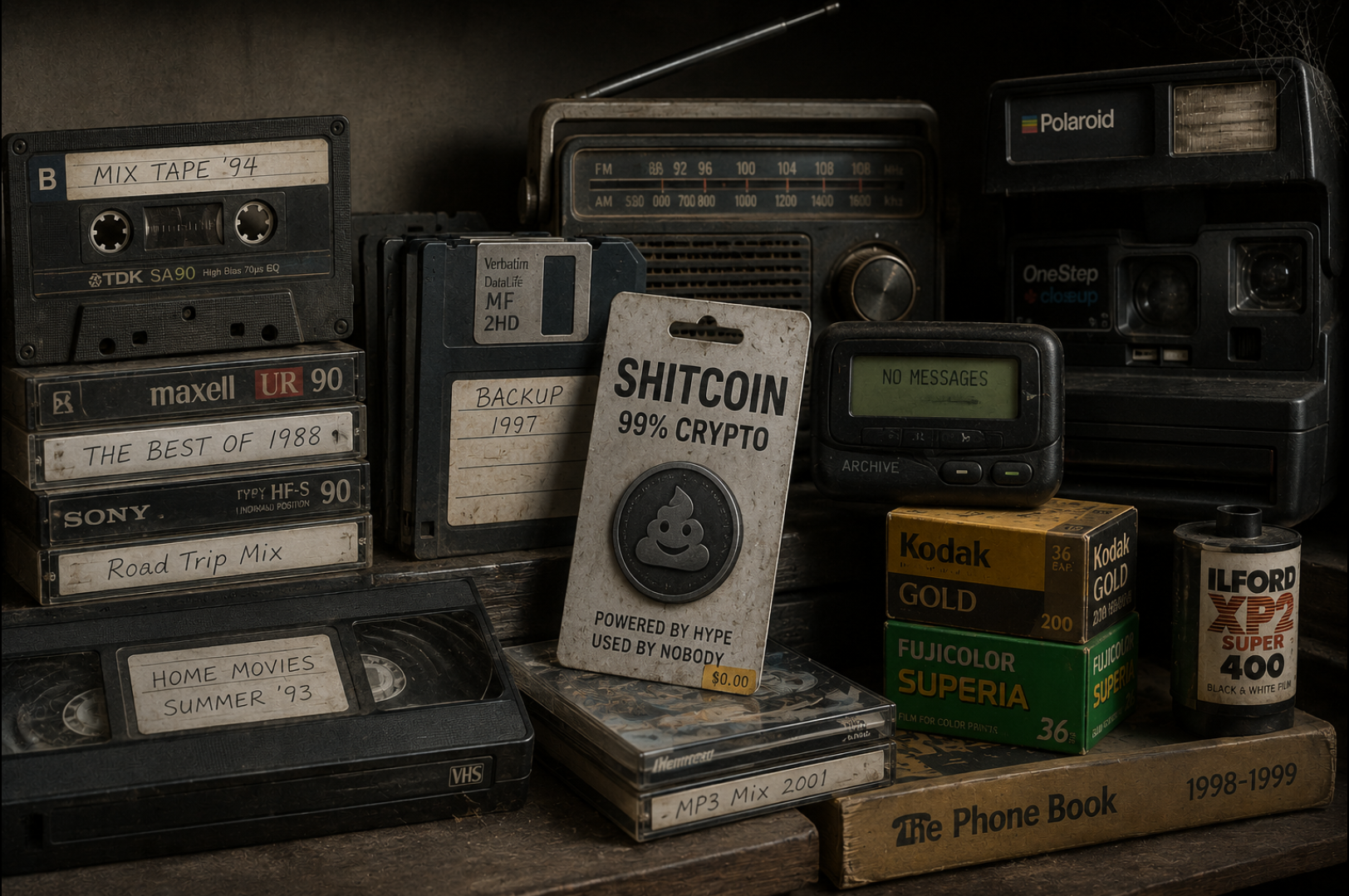
He said that 99% of cryptocurrencies are destined to disappear from the market - to "crash to zero." There is nothing unusual about that claim itself. In fact, almost anyone who has spent enough time in crypto would agree. Nearly all cryptocurrencies ever launched are now worthless, and out of the millions of tokens created over the years, only a few thousand still retain any value.
What made Hayes' point interesting was what he said next. According to him, the fate of cryptocurrencies is no different from the fate of publicly traded companies. The overwhelming majority of stocks eventually collapse as well. In that sense, the crypto market is no worse than the stock market.
An incredibly accurate observation. But I would add another angle to it.
Many cryptocurrencies are not launched as equivalents of company shares, but rather as products or services. In many cases, crypto developers identify a specific problem and introduce a coin or token as a solution - or at least as part of one. Bitcoin addresses the problem of trust in financial intermediaries. USDT addresses price volatility. Ethereum Classic rejects the idea that developers should have the authority to reverse transactions. Mina offers a radical approach to blockchain scalability and ledger size growth, and so on.
That is why I would compare the crypto market not only to the stock market, but also to the consumer goods market.
The vast majority of products launched onto the market fail to find lasting demand. Even products that become popular for a while often end up losing their audience sooner or later.
Crypto assets work exactly the same way. Many projects attempt to offer something valuable, but only a tiny fraction of what gets launched manages to secure a lasting place in the market.
We have noticed this at rabbit.io as well. Many tokens that were once available for exchange on our website turned out to have virtually no demand at all. Quite simply, nobody needed them anymore, so we stopped supporting them.
But Hayes is right: that does not mean the crypto market is a dumpster full of worthless assets. It is simply a market like any other. Most things disappear, while a few become truly valuable. And the good news is that those gems are still out there - and available for exchange on rabbit.io.