

When Control Is Taken Away: A Case for DAO Governance
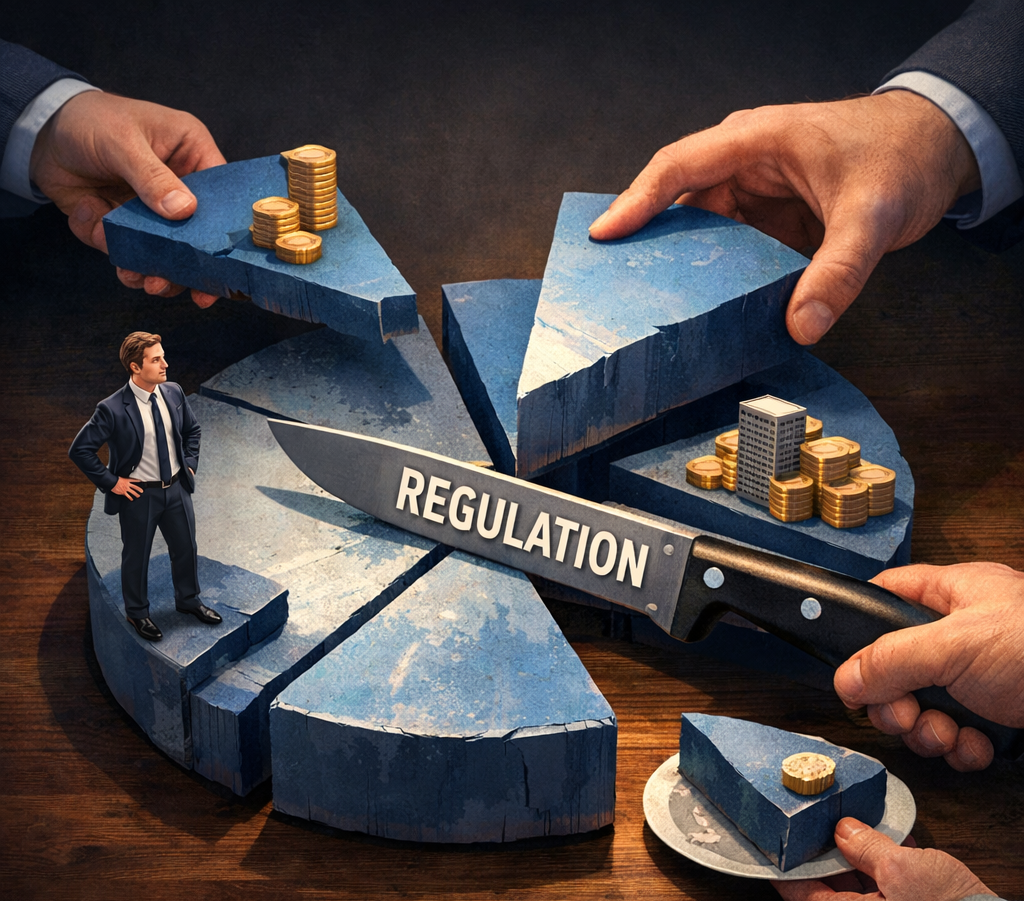
The South Korean government is reportedly considering legal changes that would cap any single shareholder’s stake in a crypto exchange at 20%.
I usually avoid commenting on "news from the future" - media reports about things that haven’t happened yet and may never happen. But this one caught my attention because of the framing itself. Someone in the government seems to believe they have the right to strip business owners of control over their own companies - even when neither the owners nor the business have done anything wrong.
Just think about it: you build an exchange, you run it effectively, and then suddenly an outsider tells you to hand over 80% of it to other people. That’s quite something, isn’t it?
You know I’m not a fan of traditional exchanges. They come with plenty of risks, and I always encourage people to use rabbit.io instead: better rates, no registration, no limits, and a wide range of supported pairs.
But in this case, I genuinely wish Korean exchange owners the best, and I’ll leave a small hint. In crypto, there’s a widely used governance model called a DAO. In a DAO, ownership and decision-making don’t belong to identifiable individuals who can be forced to give up their stakes or authority. Instead, they belong to blockchain addresses - and no government can take away the tokens or the voting power tied to them.