


Stablecoins vs Banks: The Real Battle Has Begun
Over the past few days, I have shared a couple of examples of how stablecoins are taking over the payments niche, leaving little room for traditional cryptocurrencies to establish themselves as a means of payment:
- first, I pointed out that stablecoins are increasingly used for settlements between individuals and businesses;
- then, that even AI agents are now getting payment systems built around stablecoins.
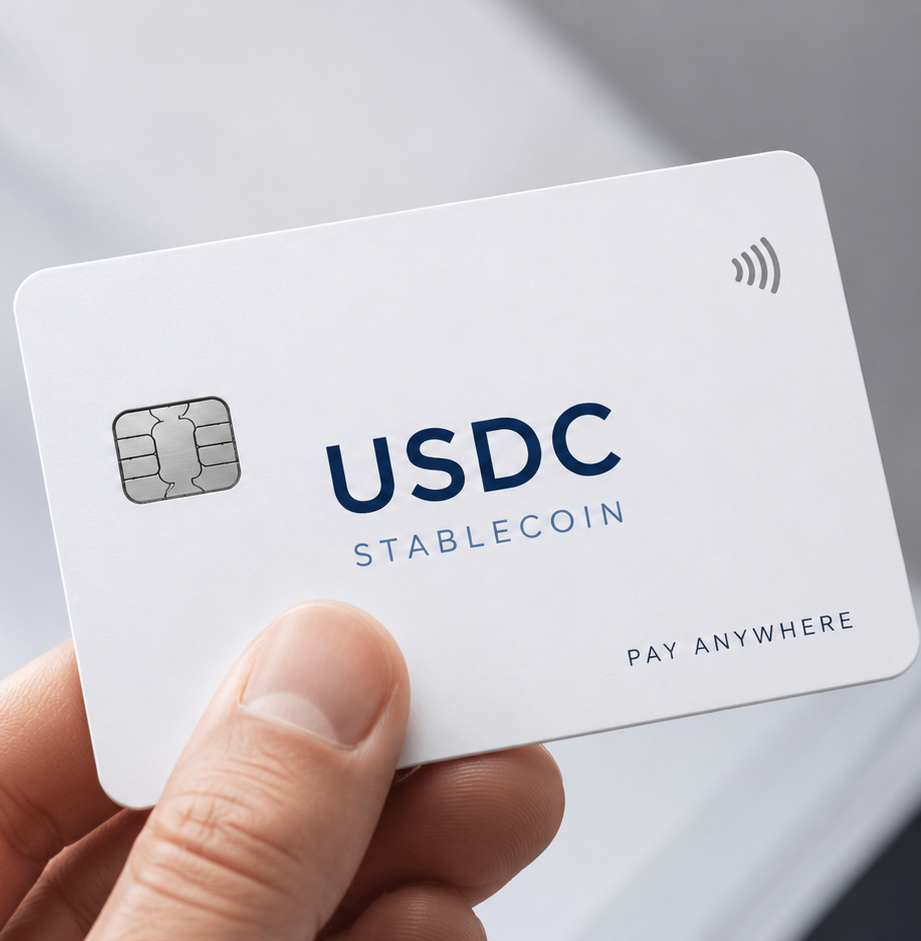
But there is no shortage of new reasons to revisit this topic. Today, CoinDesk published a report noting that spending via stablecoin-linked cards has grown by more than 100% year over year. And this is a different angle altogether. It suggests that stablecoins are not only pushing out traditional cryptocurrencies from the payments space, but are also starting to compete directly with money held in banks.
Why keep funds in a bank if stablecoins offer the same functionality with fewer frictions? Yes, issuers of the most popular stablecoins can freeze funds, just like banks. But in everyday use, they typically do not interfere with transactions, demand explanations, or make life harder for ordinary users.
For those who want additional security, one approach is to store value in stablecoins that cannot be seized or frozen (Liquity USD, DAI, or USDT on the Liquid network), while using more widely supported options (USDC, or USDT on major blockchains) for spending via popular payment cards.
And whenever you need to swap between them, you can always use rabbit.io: simple, no registration, and no limits.