


Real BTC in Aave? Not Quite
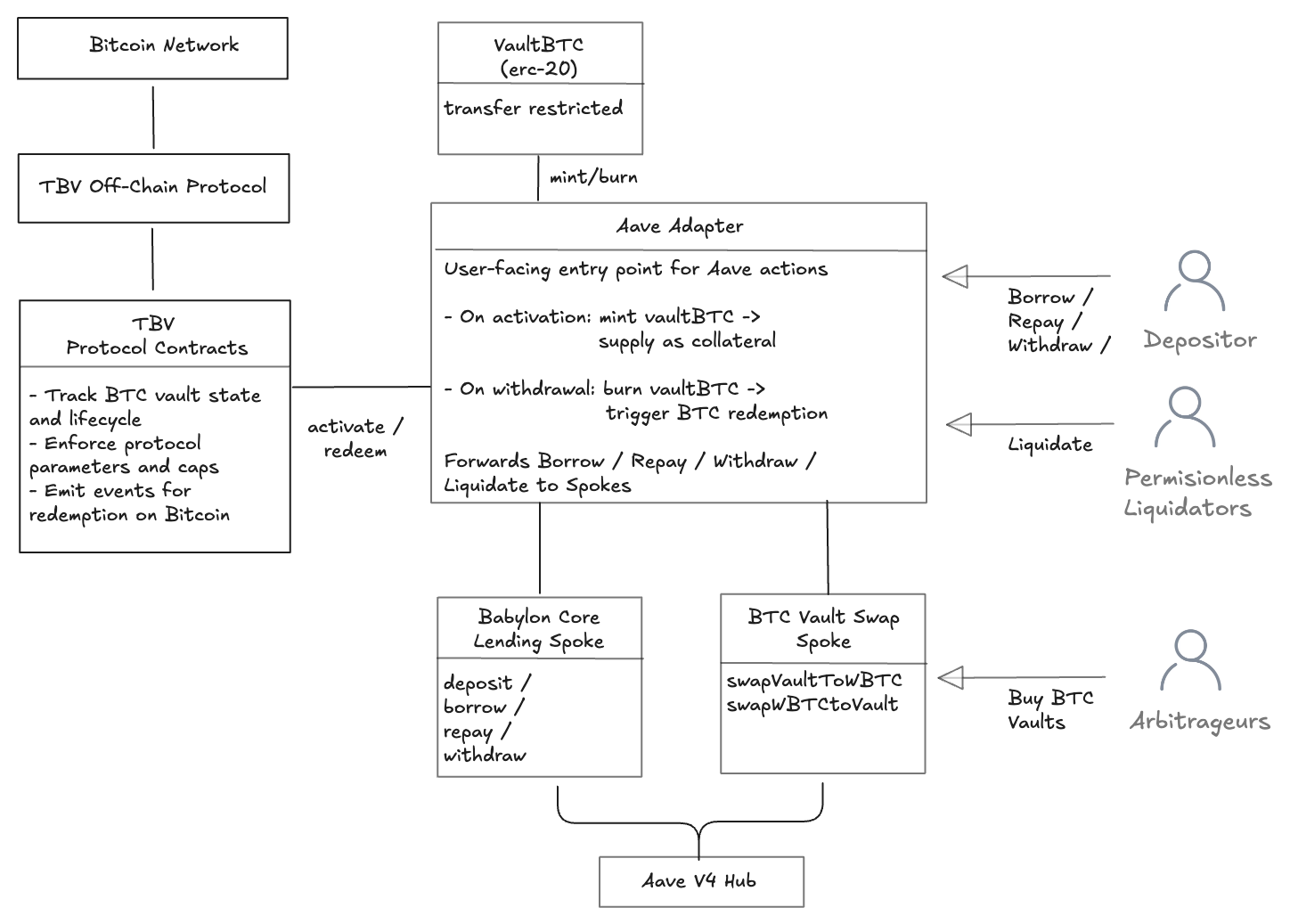
Babylon Labs has proposed integrating its technical solutions into Aave v4, which would make it possible to use real Bitcoin as collateral for loans.
At first glance, this could look like a solution to the problem Aave recently faced, when the hacker who exploited KelpDAO deposited unbacked tokens into an Aave collateral pool and left that pool with a massive hole.
In fact, the problem of tokens that look legitimate but may turn out to be empty shells goes far beyond Aave. It is a recurring feature in many crypto hacks. Just yesterday, I wrote about how, after the StablR smart contracts were exploited, one customer of rabbit.io sent us USDR tokens for exchange while their value was collapsing because hackers had issued a batch of unbacked USDR tokens that exceeded the entire supply of USDR that existed before the hack.
Bitcoin fixes this. If the collateral is BTC, it cannot suddenly turn out to be an empty shell.
The problem is that "using real Bitcoin as collateral in Aave" is, for now, more of an eye-catching phrase than a literal description. Aave cannot accept native BTC as collateral. The platform needs ERC-20 tokens. Yes, Babylon Labs is proposing tokens backed by real Bitcoin. But this extra layer of complexity is exactly where a new vulnerability may appear - and create the very same kind of problem all over again.
And today, AI models are getting very good at finding those vulnerabilities.